


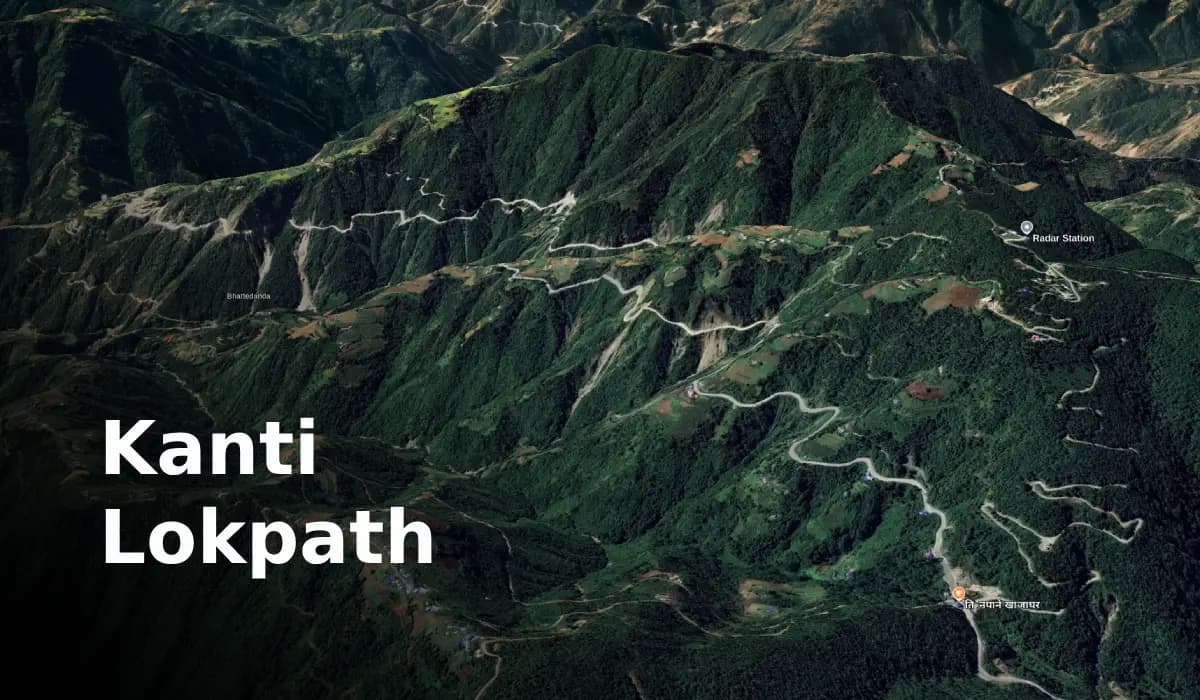
The Kanti Lokpath, widely known as Kanti Highway, is a crucial road connecting Nepal’s federal capital, Kathmandu, to the Bagmati Province capital, Hetauda. Spanning approximately 92 kilometers, this route is more than just a passage; it’s a vital artery for transport and trade, serving as an essential alternative to other major highways. This article provides a direct and comprehensive overview of Kanti Lokpath, covering its past, present, and future.
Current Status: Road Closure Alert (June 2025)
IMPORTANT UPDATE: The Kanti Lokpath (Kathmandu–Hetauda road) will remain completely closed for four days from June 4-7, 2025 (Jestha 21-24, 2082 BS).
According to the Makawanpur District Administration Office, the road closure is necessary for the installation of a bailey bridge over the Bagmati River at Baguwa along the Lokpath route. Assistant Chief District Officer Rajendra Prasad Kadel issued an official notice announcing this temporary but complete closure.
Key Details:
- Closure Period: June 4-7, 2025 (4 consecutive days)
- Reason: Bailey bridge installation over Bagmati River at Baguwa
- Impact: Complete road closure – no vehicle movement allowed
- Advisory: Travelers are advised to use alternative routes during this period
Vehicles traveling between Hetauda and Kathmandu should plan accordingly and utilize other available highways such as the Tribhuvan Highway during this closure period.
The Past: Kanti Lokpath’s Journey
The construction of what is now Kanti Lokpath began in 1954 under the vision of King Mahendra. Initially, it was named the Tikabhairab-Hetauda Road. Its current, more familiar name, Kanti Highway (or Kanti Lokpath), was adopted in 1962, honoring Queen Kanti of Nepal.
Over the decades, the road’s strategic importance grew. In the late 1990s, the Government of Nepal officially recognized it as a crucial alternative highway to the Tribhuvan Highway (H02), which links Kathmandu to Birgunj. This recognition underscored its role in providing essential connectivity. While sections of the road were operational earlier, a significant phase of its development and full operational status was achieved around 2016, with notable contributions from the Nepali Army in various segments.
Specifications & Route Details
Kanti Lokpath stretches for approximately 92 kilometers (57 miles). The travel time from Kathmandu to Hetauda via this route typically ranges from 3 to 4 hours, depending on road conditions and traffic.
The highway connects Lalitpur Metropolitan City to Hetauda Sub-Metropolitan City, traversing through two key districts: Lalitpur and Makwanpur.
Key points along the route include:
- Lalitpur side: Chapagaun Dobato, Sunakothi, Thecho, Chapa Gaun, and Tikabhairav.
- Makwanpur side: TeenPane Bhanjayng, Bhatte Dada, Malta, Thingan, Makwanpur Garhi, and finally reaching Chaughada in Hetauda.
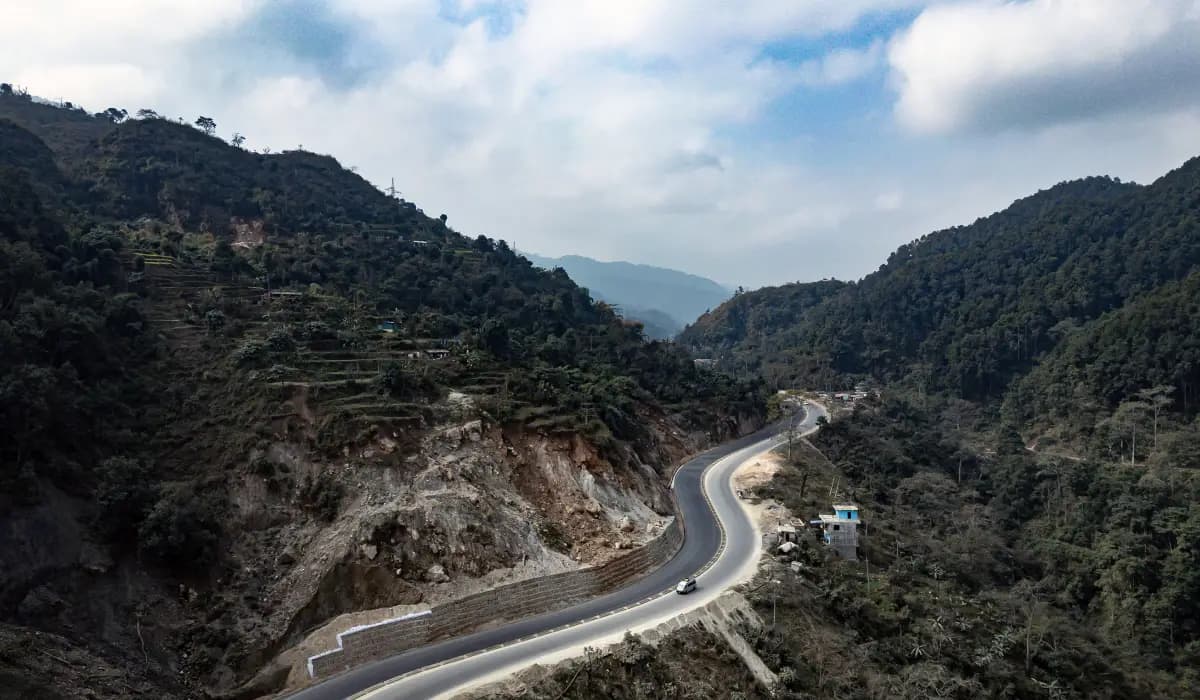
The general condition of the road is a mix of paved sections, narrower stretches, and some challenging parts with rocky or dirt surfaces. Continuous efforts are underway to improve and upgrade these segments.
The Present: Current Status and Challenges
Kanti Lokpath currently serves as a vital alternative for light vehicles and is crucial for local transport and commerce. However, its operation is frequently impacted by several challenges:
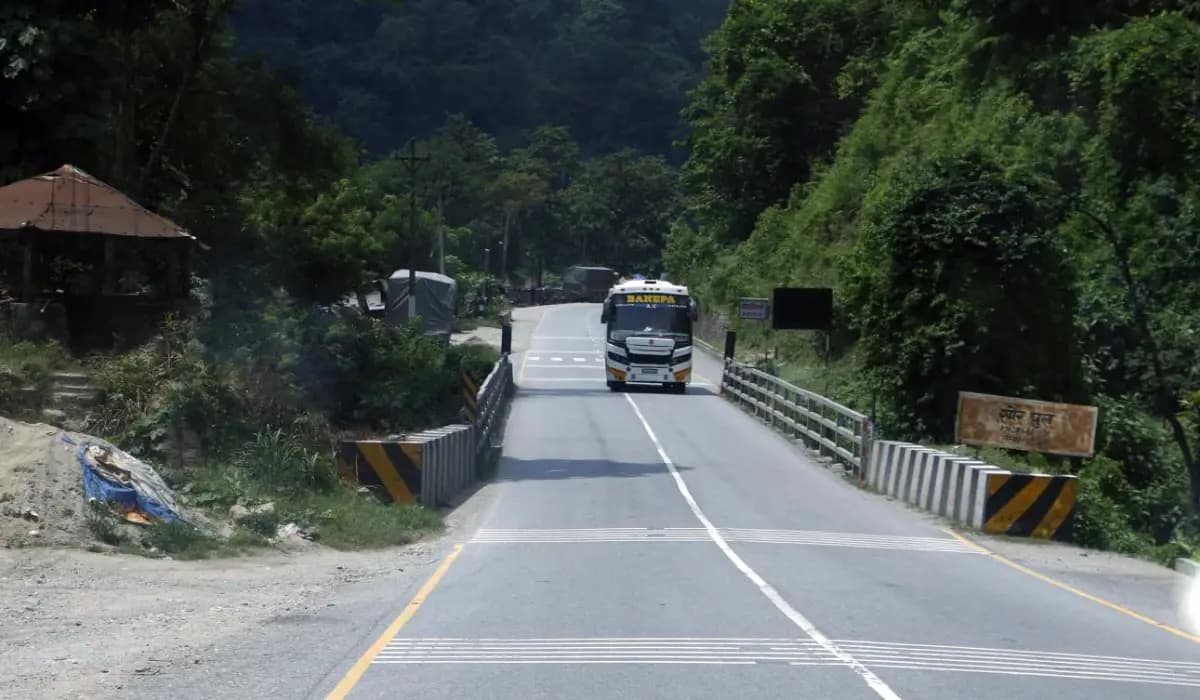
- Traffic Management: Due to ongoing repairs and difficult sections, the road often operates with one-way traffic for light vehicles during specific periods. Heavy vehicles are sometimes restricted to ensure safety and facilitate construction.
- Landslides: The highway is highly susceptible to landslides, especially during the monsoon season. Areas like Kalchevir, Thingan, Pandhure, and Chhabeni are particularly prone, leading to frequent blockages and travel delays.
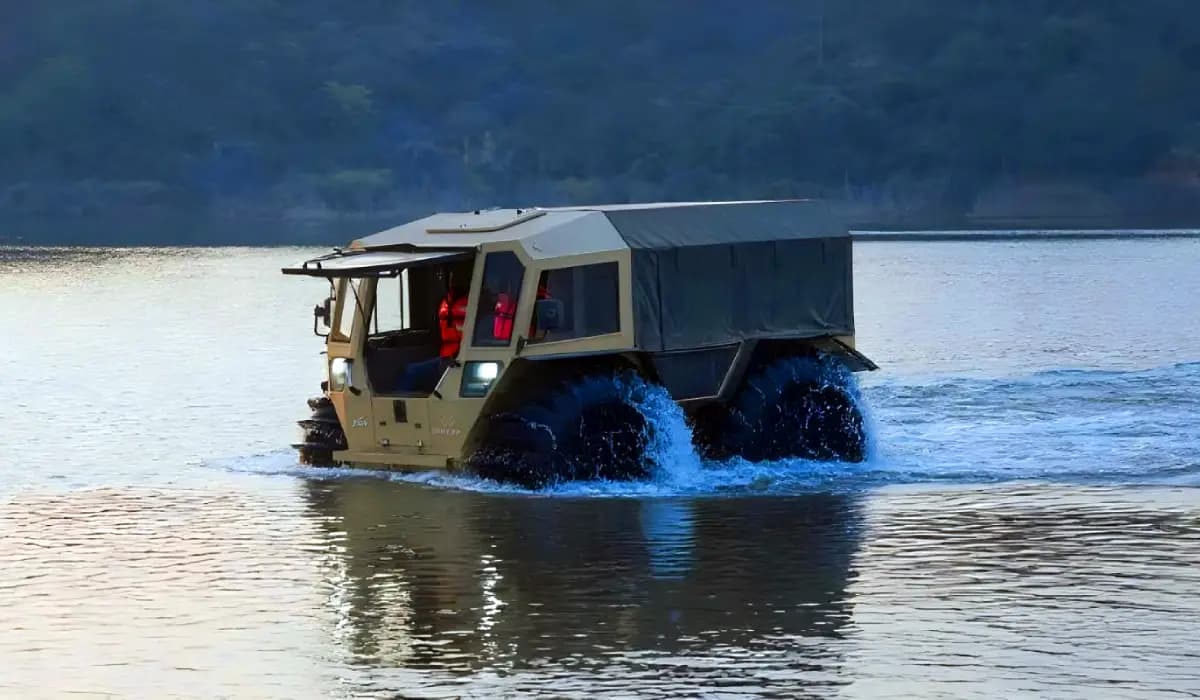
- River Crossings and Diversions: Temporary diversions, notably over the Bagmati River at Baguwa, are vulnerable to heavy rainfall and floods. These diversions often wash away, requiring immediate rebuilding and causing disruptions.
- Ongoing Construction and Expansion: Sections of the road are still undergoing widening and upgrading, including cliff cutting in areas like Karkibas and Kalche. These works can lead to narrow, single-lane stretches and periodic closures.
- Maintenance Needs: Continuous and intensive maintenance is required due to the challenging terrain and weather conditions.
- As of May 2025, Kanti Lokpath has seen one-way traffic resume in certain sections after recent flood-related disruptions. While small vehicles can use under-construction bridges, restrictions remain for heavy vehicles until more permanent diversions are in place.
Importance and Benefits
The significance of Kanti Lokpath extends beyond mere transportation:
- Strategic Alternative: It provides a crucial bypass to the often-congested Tribhuvan Highway, offering a viable route during peak traffic or when other roads are closed.
- Economic Catalyst: The road is vital for facilitating the movement of agricultural products, such as milk and vegetables, from farming communities in Makwanpur and Lalitpur to the markets in Kathmandu. This directly supports local economies and farmers’ livelihoods.
- Regional Connectivity: As a direct link between the federal and provincial capitals, it strengthens regional ties and accessibility.
- Improved Local Access: Communities along the route benefit from enhanced access to essential services, educational institutions, and healthcare facilities.
- Reduced Travel Time: For many, Kanti Lokpath offers a shorter and more efficient journey between Kathmandu and Hetauda, saving time and fuel.
The Future: Prospects and Development Needs
The future of Kanti Lokpath aims for greater resilience and efficiency. Key development needs include:
- Full Two-Lane Completion: The ultimate goal is to upgrade the entire stretch into a robust two-lane highway, ensuring smoother and safer traffic flow.
- Permanent Infrastructure: Constructing durable bridges and resilient road sections that can withstand the impact of heavy rainfall and geological instability is paramount.
- Advanced Landslide Mitigation: Implementing long-term engineering solutions like slope stabilization, improved drainage systems, and retaining walls to minimize landslide risks.
- Consistent Funding and Timely Execution: Ensuring adequate and consistent budget allocation, along with efficient project management, to complete all remaining upgrade works.
- Enhanced Safety Measures: Prioritizing the installation of proper road signs, safety barriers, and other measures to improve overall road safety.
- Tourism Development: With improved infrastructure, the scenic route holds potential to attract more domestic and international tourists, further boosting local economies.
In conclusion, Kanti Lokpath is a critical and evolving infrastructure asset for Nepal. Despite the inherent challenges posed by its mountainous terrain, ongoing efforts and future investments are set to transform it into an even more reliable and efficient lifeline, crucial for the nation’s continued development and connectivity.
https://www.youtube.com/watch?v=Yt3VV0f6ZbU


Comments & Reviews