


Importing a vehicle to Nepal can be an exciting yet complex process, whether you’re bringing in a car, motorcycle, or commercial vehicle. Nepal’s regulations, governed by the Nepal Customs Service and the Department of Transport Management, require careful planning to ensure compliance and avoid costly mistakes. This guide provides a clear, step-by-step roadmap to help you successfully import a vehicle, covering regulations, costs, documents, and practical tips for a smooth experience, including a detailed example of importing a Toyota Fortuner from India.
Can You Import a Vehicle to Nepal?
Nepal allows vehicle imports for individuals, businesses, and diplomats, but strict rules apply. Eligible importers include Nepali citizens, registered businesses, and diplomats with special permissions. The types of vehicles you can import range from personal cars and motorcycles to commercial trucks, provided they meet Nepal’s standards. However, restrictions such as vehicle age limits, emission requirements, and import bans for certain used vehicles, especially for non-diplomats or non-returning nationals, must be carefully considered to ensure compliance.
Nepal Vehicle Import Regulations
Nepal’s vehicle import policies are enforced by the Nepal Customs Service and the Department of Transport Management. Key regulations include:
- Vehicle Age Limits: Most passenger vehicles must be less than five years old from the manufacturing date. Exceptions may apply for certain commercial or special-purpose vehicles, but used vehicle imports by non-diplomats or non-returning nationals are heavily restricted or prohibited.
- Emission Standards: Vehicles must comply with Nepal’s Euro 6 emission standards, reflecting the country’s commitment to reducing environmental impact.
- Banned Vehicles: Right-hand drive vehicles and those failing safety or emission standards are prohibited.
- Special Cases: Electric vehicles (EVs) face lower duties than petrol/diesel vehicles but are subject to specific tax rates based on motor capacity. Commercial vehicles require additional scrutiny.
Always check with the Nepal Customs Service for the latest updates, as regulations can evolve.
Step-by-Step Process to Import a Vehicle
Follow these steps to import a vehicle to Nepal efficiently:
Step 1: Research Vehicle Eligibility and Compliance
Confirm that the vehicle meets Nepal’s age, Euro 6 emission, and safety standards. Research the make, model, and year to ensure it’s not restricted. Contact the Department of Transport Management for clarification on specific models.
Step 2: Obtain Necessary Permits and Approvals
Secure an import permit (EXIM code) through the Nepal National Single Window (NNSW) system, managed by the Department of Commerce, Supply, and Consumer Protection (DOCSCP). Diplomats may need additional approvals from the Ministry of Foreign Affairs. Ensure all paperwork aligns with customs requirements.
Step 3: Arrange Shipping and Logistics to Nepal
Choose a reliable international shipping company experienced in vehicle transport to Nepal. Common entry points include the port of Kolkata, India, followed by overland transport to Nepal’s border. Obtain insurance to cover potential damage during transit.
Step 4: Clear Customs and Pay Duties/Taxes
Submit required documents at the customs office (e.g., Birgunj or Tribhuvan International Airport customs). Pay applicable customs duties, VAT, and excise taxes, which vary based on vehicle type and engine size. A customs agent can streamline this process.
Step 5: Register the Vehicle in Nepal
After clearing customs, register the vehicle with the Department of Transport Management. Obtain a blue book (vehicle registration certificate) and number plate. Ensure the vehicle passes a mandatory safety and emission inspection.
Costs of Importing a Vehicle to Nepal
Importing a vehicle involves several costs:
- Customs Duties and Taxes: Duties for petrol/diesel vehicles range from 60% to over 200% of the vehicle’s CIF (Cost, Insurance, Freight) value, depending on engine size (e.g., higher for >2000cc engines). VAT (13%) and excise duties also apply, often making the total cost over three times the vehicle’s CIF value. For electric vehicles (EVs), customs duties range from 15% (up to 50 kW) to 80% (above 301 kW), with excise duties from 5% to 50%, based on motor capacity.
- Shipping and Insurance: Costs vary by origin country and vehicle size, typically $1,000–$5,000 for shipping from major ports like Japan or India.
- Registration Fees: Expect to pay NPR 20,000–50,000 for registration and inspections.
- Tips to Save: Opt for smaller-engine or lower-capacity EVs for lower duties. Compare shipping quotes and work with experienced customs agents to avoid delays.
Documents Required for Vehicle Import
Prepare the following documents to avoid delays:
- Bill of lading or airway bill
- Commercial invoice or purchase receipt
- Certificate of origin
- Emission and safety compliance certificates (Euro 6 compliant)
- Import permit (EXIM code) from the DOCSCP
- Valid ID (citizenship certificate or passport)
- Insurance documents for shipping
- Customs declaration form
Submit these to the customs office and Department of Transport Management via the Nepal National Single Window system. Double-check for accuracy, as errors can lead to penalties or confiscation.
Example: Importing a Toyota Fortuner from India
To illustrate the process, here’s an example of importing a Toyota Fortuner 4X2 AT 2.7 Petrol (2694cc, petrol engine) from India to Nepal for personal use, including all associated costs, using an exchange rate of 1 USD = NPR 135.
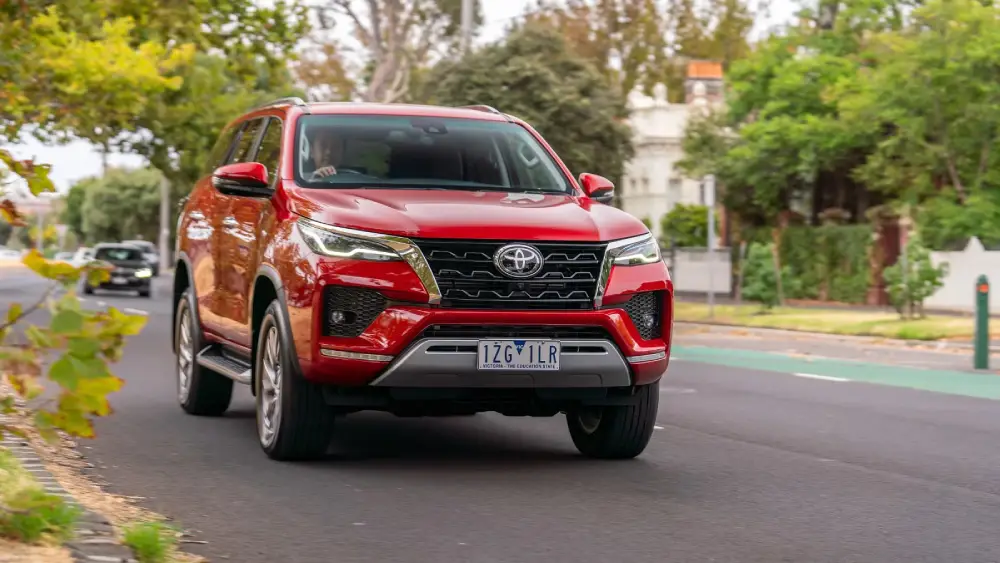
Step 1: Vehicle Cost in India
- Base Price (Ex-Showroom, Delhi): INR 35,37,000 (approximately NPR 56,59,200 at an exchange rate of 1 INR = 1.6 NPR, as of June 2025).
- Indian Taxes (GST, Cess, etc.): Indian taxes like GST (28%) and compensation cess (22%) are included in the ex-showroom price, so no additional Indian taxes apply for export. The CIF value (Cost, Insurance, Freight) is calculated based on the invoice value.
Step 2: Shipping and Insurance Costs
- Shipping Cost: Transport from Delhi to Nepal’s border (e.g., Birgunj via Kolkata port) costs approximately $1,500 (NPR 202,500 at 1 USD = NPR 135).
- Insurance: Shipping insurance is around 0.3% of the vehicle’s value plus a 5% service tax and INR 1 stamp duty, totaling approximately NPR 17,000.
- Total CIF Value: Base price (NPR 56,59,200) + Shipping (NPR 202,500) + Insurance (NPR 17,000) = NPR 58,78,700.
Step 3: Nepal Customs Duties and Taxes
- Customs Duty: For a petrol vehicle with a 2694cc engine, the customs duty is approximately 80% of the CIF value. 80% of NPR 58,78,700 = NPR 47,02,960.
- Excise Duty: For a >2000cc petrol vehicle, excise duty is around 80% of the CIF value = NPR 47,02,960.
- VAT: 13% of (CIF + Customs Duty + Excise Duty) = 13% of (NPR 58,78,700 + NPR 47,02,960 + NPR 47,02,960) = 13% of NPR 152,84,620 = NPR 19,87,001.
- Total Taxes: NPR 47,02,960 + NPR 47,02,960 + NPR 19,87,001 = NPR 113,92,921.
Step 4: Registration and Additional Fees
- Registration Fees: NPR 30,000 (average for passenger vehicles).
- Administrative/Number Plate Fees: Approximately NPR 5,000.
- Customs Brokerage Fee: Around NPR 10,000–20,000, assuming NPR 15,000.
Total Cost to Import
- Breakdown:
- Vehicle Cost (CIF): NPR 58,78,700
- Customs Duty: NPR 47,02,960
- Excise Duty: NPR 47,02,960
- VAT: NPR 19,87,001
- Registration Fees: NPR 30,000
- Administrative Fees: NPR 5,000
- Brokerage Fee: NPR 15,000
- Total: NPR 58,78,700 + NPR 113,92,921 + NPR 30,000 + NPR 5,000 + NPR 15,000 = NPR 172,21,621 (approximately INR 107,63,513 at 1 INR = 1.6 NPR).
Notes
- The total cost is roughly three times the vehicle’s base price due to high taxes.
- Confirm Euro 6 compliance for the Fortuner with the seller, as non-compliance can lead to rejection.
- Prices are estimates; actual costs may vary based on exchange rates, shipping quotes, and Nepal’s budget updates.
Challenges and Tips for Success
Importing a vehicle to Nepal can present challenges:
- Delays: Customs clearance can take weeks due to paperwork errors or inspections.
- High Costs: Unexpected taxes, shipping fees, or demurrage charges at the port can inflate budgets.
- Regulatory Hurdles: Non-compliant vehicles may be rejected or require costly modifications.
Tips for Success:
- Hire a licensed customs agent familiar with Nepal’s import process and the NNSW system.
- Verify vehicle compliance (especially Euro 6 standards) before purchase to avoid surprises.
- Plan ahead by budgeting for taxes and staying updated on regulations.
- Contact the Nepal Customs Service (customs.gov.np) or Department of Transport Management for guidance.
Conclusion
Importing a vehicle to Nepal, such as a Toyota Fortuner from India, is achievable with proper planning and adherence to regulations. By understanding eligibility, following the import process, preparing documents, and budgeting for costs (as shown in the example), you can navigate the system effectively. Stay informed about Nepal’s customs and transport policies, and consider consulting a professional for complex cases. For further assistance, reach out to the Nepal Customs Service or a trusted customs agent to ensure a hassle-free import experience.
